



The rooster has always been, and continues to be, a highly appreciated subject in handcrafted ceramics.
Its story has ancient and extraordinary origins and identifies the rooster with the figure of Mercury, the god associated with trade, profit and eloquence. An important and meaningful symbolism that, over time, has become a distinctive feature of Apulia and its ceramic tradition.
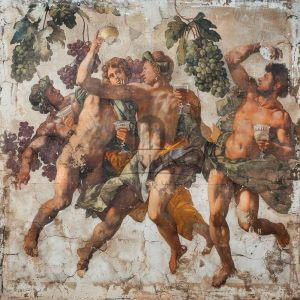
The rooster is therefore regarded as a sacred animal which, in addition to representing Mercury, is connected to several other important symbolic meanings. It is almost considered a domestic animal, believed to have the power to keep negative energies and evil influences away from the home. Another equally important characteristic of the famous Apulian rooster is its role as a symbol of fertility, prosperity and good fortune.
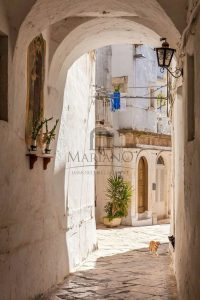
Over the years, the image of the rooster on ceramics has been refined and perfected, eventually becoming the figure we know today: a colourful, proud and upright rooster, now one of the most recognizable expressions of Apulia’s traditional craftsmanship.
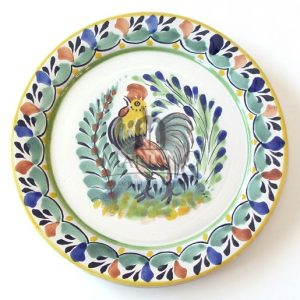
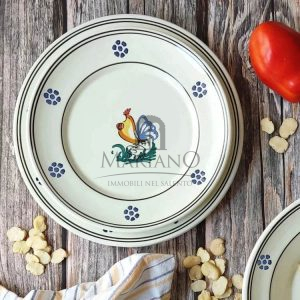
The colours traditionally used are blue, yellow and red, while stylised decorations, such as blue flowers, surround and embellish the figure, framing its sacred image.
The rooster also finds one of its most fascinating expressions in the Apulian tradition of the table. Appearing on plates, serving trays and other everyday objects, it brings to the table not only an ancient symbolism, but also colour, vibrancy and beauty. Its distinctive shapes and decorations can transform every table into a small story of Apulia, where artisan tradition meets the pleasure of sharing and conviviality.
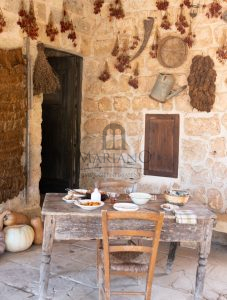
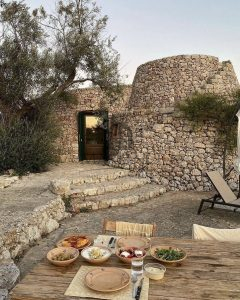
Even today, the Apulian rooster therefore represents much more than a simple decorative motif: it is a symbol of tradition, good fortune, prosperity and fertility, capable of preserving the identity of a land while bringing an authentic, joyful and unmistakably Apulian touch to the table.